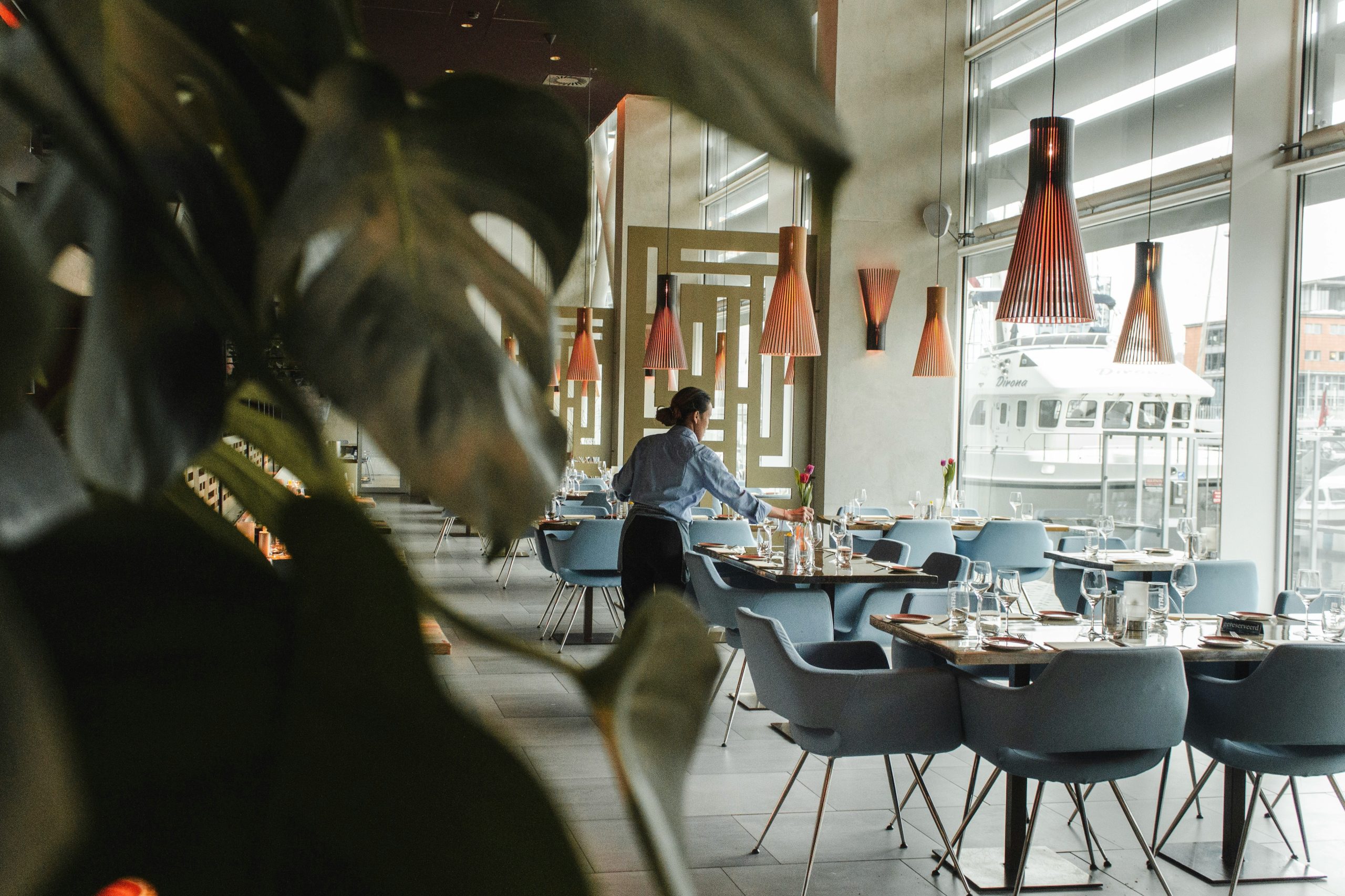
When we reflect on a legendary night out, our praise usually anchors to the tangible. We talk about the smoky undertone of a charred mezcal cocktail, the velvety richness of a reduction sauce, or the stunning architecture of the dining room. But if you strip away the food, the drink, and the décor, you are left with something far more elusive: the emotional climate of the room.
The highest form of hospitality is inherently silent. It is a complex, hyper-coordinated choreography designed to eliminate every micro-friction before you even realize it exists. Long before a dish reaches your table, dozens of invisible decisions have been executed precisely so that your nervous system can do one thing: completely let go.
Here is a look behind the curtain at the invisible mechanics of world-class service.
Key Takeaways
-
The Psychology of Anticipation: Master service operates on seamless foresight rather than visible reaction, solving problems before they manifest.
-
Micro-Environment Engineering: Temperature, lighting transitions, and spatial flow are constantly adjusted in real time to govern energy levels.
-
Emotional Calibration: Top-tier front-of-house teams read non-verbal guest cues to tailor the rhythm and tone of service for every individual table.
-
The Seamless Reset: Complex logistics are hidden from the diner to preserve the illusion of effortless luxury.
1. The Art of Pre-Emptive Service
Average service is reactive; exceptional service is pre-emptive. The goal of a world-class front-of-house team is to ensure a guest never has to ask for anything.
If a guest reaches for a water glass only to find it filled, or reaches for a napkin and finds it replaced after stepping away from the table, they are experiencing the subtle power of anticipation.
The Golden Rule: The moment a guest has to flag down a server to ask for the check, a fresh drink, or an extra napkin, the illusion of effortless hospitality is temporarily broken.
Behind the scenes, service teams use precise floor geometry and non-verbal hand signals. A floor manager might notice a guest glance toward the restroom entrance; before the guest even stands up, a staff member is quietly positioning themselves to guide the way without making it feel like a orchestrated maneuver. This constant, silent vigilance removes all cognitive load from the diner.
2. Micro-Environment Engineering: The Unseen Dial
A restaurant’s atmosphere is not a static setup; it is a dynamic, living organism that changes continuously throughout the night. Top establishments employ dedicated leads who monitor and tweak environmental variables in subtle increments:
-
Thermal Dynamics: As a dining room fills up, body heat elevates the room temperature. Floor managers adjust thermostat zones before the room heats up, keeping the air fresh and cool enough to prevent the sluggish feeling that ruins a late-course meal.
-
The Lighting Gradient: Lighting is dimmed gradually over 30-minute intervals so the human eye never registers a sudden drop. This slow transition signals to the brain that time is stretching out, encouraging guests to linger over an digestif.
-
Acoustic Dampening: Acoustic panels are frequently hidden beneath tablecloths, tucked behind wall art, or integrated into chair upholstery to absorb harsh frequencies while preserving the lively hum of the room.
3. Emotional Calibration: Reading the Unspoken Script
The best servers are equal parts hospitality pros and sharp behavioral psychologists. They understand that a romantic anniversary dinner requires a completely different energetic presence than a high-stakes business meeting or a lively reunion between old friends.
| Guest Type | Invisible Adjustment | Desired Outcome |
| The Business Dinner | Rapid pacing, minimal menu dialogue, boundary-respecting distance | Protects focus and flow; prevents interruptions during key deal points. |
| The Culinary Explorer | In-depth storytelling, ingredient breakdowns, chef insights | Satisfies curiosity and turns the meal into an educational journey. |
| The Exhausted Traveler | Warm, efficient, low-friction, fast-tracked initial course | Delivers immediate comfort without demanding high social energy. |
Within the first 60 seconds of greeting a table, a skilled server assesses body language, eye contact, and vocal cadence. They then calibrate their speech rate, humor, and level of presence to match the table’s specific wavelength. You don’t consciously register that your server adapted to you; you simply feel understood.
4. The Magic Trick: Hiding the Friction
The hospitality industry is notoriously fast-paced, high-stress, and chaotic behind kitchen doors. The ultimate magic trick of a 5-star venue is keeping that chaos completely hidden from the guest.
When a tray drops in the kitchen, a pan flares up, or a wine bottle runs out, the front-of-house staff maintains composure. The kitchen pass acts as an airlock: on one side is intense focus and adrenaline; on the other is calm, unhurried poise.
Crumb removal between courses, clearing polished glassware, and resetting cutlery are performed with smooth, low-profile movements that stay out of the guest’s line of sight. By keeping the mechanics of service invisible, the restaurant preserves a pristine environment where memory-making takes center stage.
Conclusion
We rarely leave a restaurant raving about the seamless temperature adjustments, the subtle acoustics, or the server’s emotional adaptability. Yet, these invisible details carry the entire weight of the experience.
Great hospitality is an act of total generosity. It works tirelessly in the background, polishing away every minor distraction so that all that remains is pure enjoyment, meaningful conversation, and the lasting resonance of a truly magnificent night.