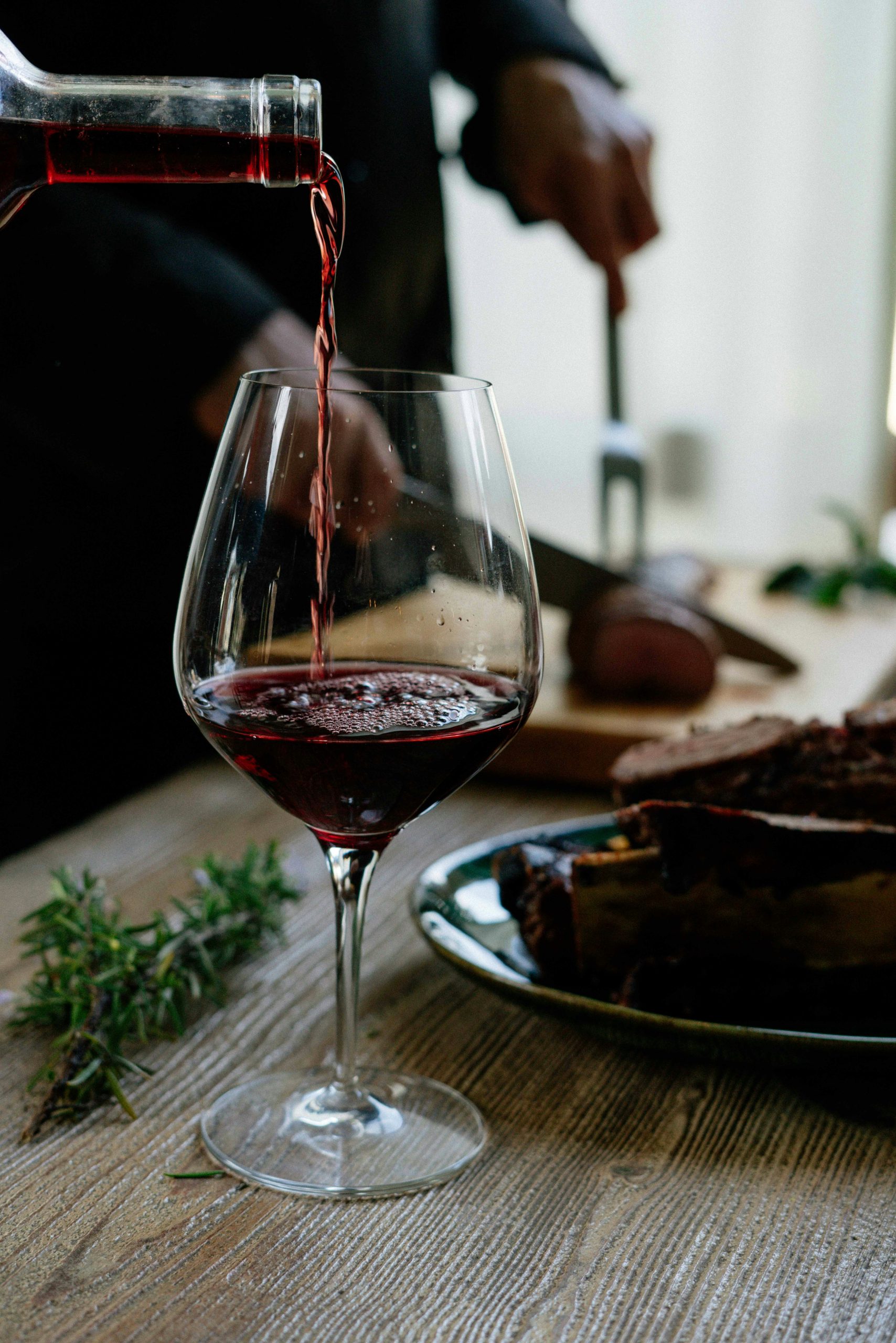
When a sommelier or beverage director sets a glass beside your plate, it can feel like an act of quiet magic. The first bite of rich, seared duck meets a sip of bright, earthy Pinot Noir, and suddenly both the dish and the drink taste entirely transformed—elevated into something neither could achieve alone.
Yet, great beverage pairing is rarely about intuition or guesswork. Behind every effortless sip lies a deliberate architecture built on chemistry, contrast, and sensory balance. Whether working with classic Old World vintages, avant-garde craft cocktails, or complex zero-proof botanicals, master beverage directors rely on a strict set of structural rules to make a menu truly sing.
Here is a look under the hood at the exact logic behind how pairings are constructed.
Key Takeaways
-
Structure Over Flavor: Successful pairings prioritize structural elements—acid, fat, salt, tannin, and sugar—before matching surface-level aromas.
-
Mirror vs. Contrast: Pairings operate on two core philosophies: bridging shared flavor notes (congruent) or using opposing forces to cleanse the palate (complementary).
-
Weight Matching: The physical viscosity and intensity of a drink must match the richness of the dish so neither overwhelms the other.
-
Dynamic Progression: A tasting menu’s beverage arc follows a deliberate rhythm, building in complexity before resetting the palate for dessert.
1. Structure First, Flavor Second
The most common mistake in pairing is trying to match literal flavor notes—like pairing an apple-scented wine with pork chops simply because apples and pork go together. While flavor affinities help, professionals build pairings from the structural foundation up.
Every dish and every beverage is defined by a core matrix of physical sensations on the palate: acidity, fat, salt, sweetness, bitterness, and heat.
The Structural Rule: Acidity cuts through richness, sweetness tames spice, salt softens bitterness, and fat coats the palate to mellow harsh tannins.
When a chef sends out a dish heavy in butter or cream, the beverage director doesn’t look for a drink that tastes like butter; they look for high acidity or effervescence. The acid acts like a squeeze of fresh lemon over fried fish, slicing through the lipid layer on your tongue and resetting your taste buds for the next bite.
2. The Two Engines: Congruent vs. Complementary
Once the structural balance is locked in, beverage directors choose between two distinct creative pathways to connect the glass to the plate.
[ Congruent Pairing ]     ──> Shared Compounds (Earthy Mushrooms + Forest-Floor Pinot Noir)
[ Complementary Pairing ] ──> Opposing Forces  (Salty Blue Cheese + Honeyed Sauternes)
-
Congruent Pairings (The Bridge): This approach identifies overlapping aromatic compounds between food and drink. A smoked bourbon cocktail paired with charred short rib works because both share caramelized, vanillin, and wood-smoke molecules. They amplify each other, creating a seamless echo on the palate.
-
Complementary Pairings (The Counterweight): This approach relies on tension. Think of crisp, bone-dry Champagne alongside salty, briny oysters, or a bright, herbaceous zero-proof verjus tonic cutting through rich foie gras. The contrast creates excitement, preventing palate fatigue during a long meal.
3. Matching Weight and Intensity
Even if the flavors align and the acidity is spot-on, a pairing will collapse if the physical weight of the drink doesn’t match the dish. Weight refers to the body, viscosity, and concentration of both elements.
| Dish Profile | Beverage Weight | Pairing Logic |
| Delicate & Raw (Crudo, steamed shellfish) | Light-bodied, crisp, mineral-driven | Preserves subtle ocean salinity without bulldozing delicate textures. |
| Rich & Roasted (Braised meats, aged cheeses) | Full-bodied, structured, velvety | Stands up to heavy proteins and dense umami concentration. |
| Spiced & Aromatic (Curry, charred chilies) | Off-dry, low-ABV, floral or botanical | High alcohol amplifies capsaicin heat; gentle sweetness cools the burn. |
If you pair a delicate, citrus-cured hamachi with a heavy, high-alcohol Cabernet Sauvignon, the wine acts like a heavyweight boxer stepping into a featherweight ring—the fish vanishes completely. Conversely, a light-bodied spritz served alongside a heavily spiced, slow-cooked lamb shank will taste like water.
4. Designing the Progression Arc
A multi-course pairing isn’t just a series of isolated matches; it is a unified narrative paced across two to three hours. Beverage directors map out an intentional arc that respects human physiology and sensory endurance.
-
The Opener (Awakening): Starts bright, high-acid, and low-weight—often sparkling wine, crisp cider, or a tart botanical infusion—to stimulate saliva production and sharpen the appetite.
-
The Crescendo (Depth): Moves gradually from lighter whites and herbaceous cocktails toward richer, more complex, and higher-tannin pours as the dishes grow warmer, heavier, and more savory.
-
The Pivot (The Reset): Before dessert, a sharp palate cleanser—such as a bitter amaro tonic or a chilled, acidic fruit shrub—clears away savory fatigue.
-
The Finale (Harmony): Closes with a dessert pairing that is always slightly sweeter than the dish itself; if the dessert is sweeter than the drink, the beverage will suddenly taste thin and sour.
Conclusion
Great pairings are never accidental. When a sip makes a dish come alive, you are experiencing the result of careful calibration—balancing acid against fat, weight against texture, and contrast against harmony.
The next time a pairing stops you mid-conversation, pay attention to why it works. Notice how the acidity cleanses your palate, how the weight matches the bite, and how the final notes linger together—turning two separate creations into one unforgettable sensory moment.