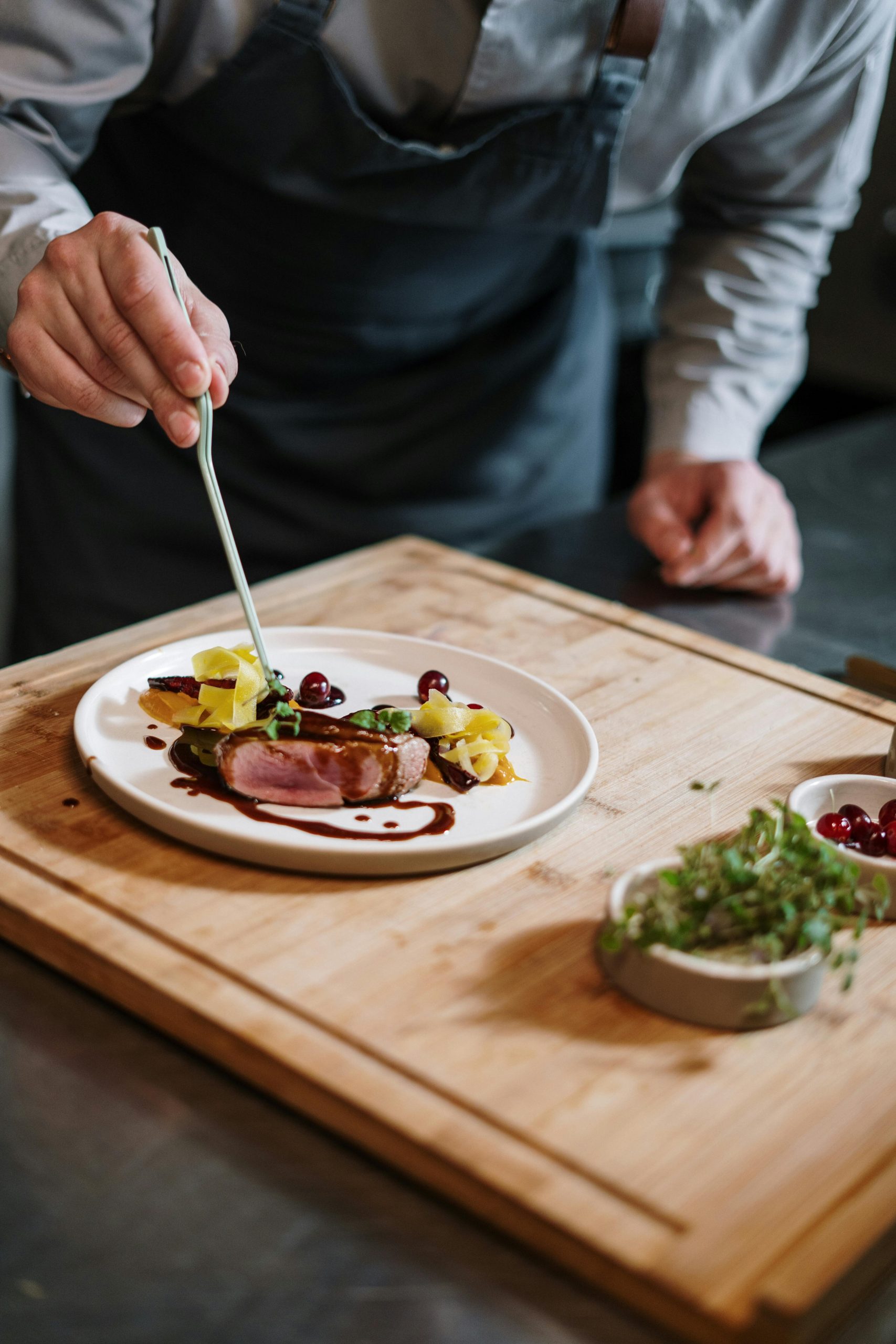
Elevate Your Dining with a Chef’s Tasting Menu
Indulge in the art of fine dining with a culinary journey that promises to delight your senses. A chef’s tasting menu is more than just a meal; it’s an immersive gourmet experience that showcases the creativity and expertise of the culinary team.
This exclusive dining format offers a unique opportunity to savor a series of carefully crafted dishes, each one highlighting the freshest ingredients and innovative techniques. By opting for a chef’s tasting menu, diners can enjoy a truly personalized and memorable evening.
Key Takeaways
- Discover the art of fine dining through a curated culinary journey.
- Enjoy a unique and personalized gourmet experience.
- Savor a series of expertly crafted dishes showcasing fresh ingredients.
- Immerse yourself in the creativity and expertise of the culinary team.
- Elevate your dining experience with a truly memorable evening.
What is a Chef’s Tasting Menu?
For those seeking a truly exceptional dining experience, a chef’s tasting menu provides a carefully curated culinary journey. This unique fine dining experience is designed to showcase the chef’s creativity, skill, and attention to detail.
Definition and Core Concept
A chef’s tasting menu is a multi-course meal that highlights the chef’s expertise and creativity. It typically consists of several small dishes, each expertly prepared and presented, to take the diner on a gastronomic journey. The core concept revolves around the chef’s selection of ingredients, techniques, and presentation styles.
How It Differs from Regular Dining
Unlike regular dining, where you order individual dishes, a tasting menu is a pre-determined sequence of courses. This format allows chefs to showcase their culinary artistry and creativity, often featuring unexpected flavor combinations and innovative techniques. The restaurant experience becomes more engaging and dynamic, as each course is designed to complement the next.
The Philosophy Behind Tasting Menus
The philosophy behind fine dining and tasting menus is rooted in the pursuit of culinary excellence. Chefs aim to create a harmonious balance of flavors, textures, and presentation, often inspired by seasonal ingredients and personal creativity. This approach elevates the culinary journey, making each tasting menu a unique and memorable fine dining experience.
The History and Evolution of Tasting Menus
Originating in the kitchens of France, the tasting menu has evolved into a global culinary phenomenon. The history of tasting menus is deeply intertwined with the development of fine dining and haute cuisine.
Origins in French Cuisine
French cuisine has long been regarded as the pinnacle of fine dining, and it is here that the concept of the tasting menu was born. The term ‘menu dégustation‘ or tasting menu, refers to a series of small dishes served in a specific order, allowing diners to experience the full range of a chef’s culinary skills.
The traditional French tasting menu was characterized by its emphasis on local, seasonal ingredients and intricate preparations. This approach to dining was not just about sustenance, but an experience that combined art, culture, and gastronomy.
Modern Interpretations Around the World
As global travel and culinary exchange increased, the tasting menu began to evolve, incorporating flavors and techniques from around the world. Modern interpretations often blend traditional French methods with international ingredients and innovative presentation styles.
The Rise of Tasting Menus in American Dining
The United States has seen a significant rise in the popularity of tasting menus, particularly in culinary capitals like New York and San Francisco. American chefs have embraced the format, using local and seasonal ingredients to create innovative, globally-inspired dishes.
| Year | Event | Location |
| 1980s | Introduction of Tasting Menus | France |
| 1990s | Globalization of Tasting Menus | Worldwide |
| 2000s | Rise of Tasting Menus in the U.S. | United States |
The evolution of the tasting menu reflects the dynamic nature of culinary arts, influenced by cultural exchange, innovation, and a commitment to excellence.
The Chef’s Tasting Menu Experience: What to Expect
When you opt for a chef’s tasting menu, you’re in for a treat, as it unfolds a narrative of flavors and techniques that highlight the chef’s expertise. This dining experience is carefully curated to take you on a culinary journey, with each course designed to surprise and delight.
Course Progression and Pacing
The progression of courses in a tasting menu is a deliberate and thoughtful process. Chefs carefully consider the pacing to ensure that each dish complements the next, creating a harmonious flow of flavors. Typically, a tasting menu will include anywhere from 5 to 10 courses, each one a step in the culinary narrative.
Portion Sizes and Presentation
One of the defining characteristics of a tasting menu is the portion sizes. Dishes are often smaller and more delicate, allowing for a variety of flavors to be experienced without overwhelming the palate. Presentation is also a key element, with dishes carefully plated to enhance both the visual appeal and the gastronomic experience.
The Storytelling Element
The storytelling aspect of a chef’s tasting menu is a crucial component, as it adds depth and context to the meal. Chefs use the menu to express their culinary vision, often incorporating elements of their personal story, the inspiration behind the dishes, and the seasonality of the ingredients.
How Chefs Express Their Vision
Through the tasting menu, chefs can convey their creativity and culinary philosophy. This might involve innovative techniques, unique ingredient combinations, or a focus on local and seasonal produce. The menu becomes a canvas for the chef’s artistry, with each dish a reflection of their skill and imagination.
Seasonal Narratives in Tasting Menus
Many tasting menus incorporate seasonal narratives, with dishes designed to reflect the freshest ingredients available during a particular time of year. This not only ensures that the menu is vibrant and dynamic but also connects the diner to the local environment and the cycle of the seasons.
| Course | Description | Key Ingredients |
| Amuse Bouche | A small, bite-sized introduction to the meal | Fresh herbs, citrus |
| Appetizer | The first course, designed to awaken the palate | Seasonal vegetables, artisanal cheese |
| Main Course | The central dish, showcasing the chef’s skill | Grass-fed beef, roasted root vegetables |
| Dessert | A sweet conclusion to the meal | Local fruits, artisanal chocolates |
Types of Tasting Menus You Might Encounter
From traditional to innovative, tasting menus come in various forms, each designed to provide a unique gastronomic journey. The diversity in tasting menus reflects the creativity and skill of chefs, as well as the evolving preferences of diners.
Traditional vs. Avant-garde Approaches
Tasting menus can range from traditional, which adhere to classic culinary techniques and ingredients, to avant-garde, which push the boundaries of culinary innovation. Traditional tasting menus often feature dishes that are refined versions of familiar classics, while avant-garde menus might include experimental ingredients and techniques, offering a truly modern dining experience.
As noted by Chef Ferran Adrià, “The most important thing for me is to be free, to be able to create without any constraints.” This philosophy is evident in the innovative approaches seen in avant-garde tasting menus.
Themed Tasting Experiences
Themed tasting menus are another exciting option, where the meal is centered around a particular theme, such as a specific cuisine, ingredient, or even a story. These menus are designed to transport diners on a culinary journey, engaging not just their taste buds but also their imagination.
- A culinary trip around the world through dishes inspired by different cultures.
- A focus on a specific ingredient, highlighting its versatility.
- A narrative-driven menu that tells a story through food.
Seasonal and Locally-Sourced Menus
Many restaurants now emphasize seasonal and locally-sourced ingredients in their tasting menus, ensuring that the dishes are not only fresh but also support local farmers and reduce environmental impact. This approach allows chefs to showcase the best of what each season has to offer, creating menus that are dynamic and reflective of the region’s culinary identity.
“The changing seasons offer a natural rhythm to our menus, allowing us to innovate and refresh our offerings regularly,” says Chef Alice Waters, a pioneer of farm-to-table cuisine.
Omakase and Global Influences
Omakase, a Japanese term meaning “I’ll leave it up to you,” refers to a type of tasting menu where the chef selects the dishes, often providing a deeply personal and interactive dining experience. Global influences are also increasingly evident in tasting menus, as chefs incorporate international flavors and techniques, creating a fusion that is both exciting and delicious.
The rise of omakase and globally influenced menus reflects the evolving nature of fine dining, where the boundaries of cuisine are continually being explored and expanded.
Wine and Beverage Pairings: Enhancing the Experience
The synergy between a chef’s tasting menu and its accompanying wine and beverage pairings is what transforms a meal into an unforgettable experience. The right pairing can elevate flavors, textures, and aromas, creating a harmonious balance that delights the palate.
The Importance of Pairings
Pairings matter because they can either complement or contrast with the dish, enhancing its inherent qualities. A well-chosen pairing can reveal new dimensions of flavor and elevate the overall dining experience.
Standard vs. Premium Pairings
Standard wine pairings are carefully selected to complement the menu, while premium options offer a more exclusive and sophisticated experience. The choice between them depends on personal preference and the desired level of luxury.
Non-alcoholic Alternatives
For those who prefer not to drink wine or other alcoholic beverages, non-alcoholic pairing alternatives are increasingly popular.
- Craft juices and infusions offer a refreshing contrast to rich dishes.
- Tea and coffee pairings can add a new dimension to both sweet and savory courses.
Craft Juices and Infusions
Craft juices and infusions are made from high-quality, often locally-sourced ingredients, providing a unique flavor profile that complements the menu.
Tea and Coffee Pairings
Tea and coffee can be expertly paired with courses to cut richness or enhance subtle flavors, offering a sophisticated alternative to traditional wine pairings.
Preparing for Your Chef’s Tasting Menu Experience
To make the most of your chef’s tasting menu experience, it’s essential to be prepared.
A chef’s tasting menu is a multi-course culinary journey that requires some planning to fully appreciate. This includes making reservations and understanding the restaurant’s policies.
Reservations and Planning
Making a reservation is the first step in preparing for your chef’s tasting menu experience. Many top restaurants offer online reservation systems, and it’s advisable to book well in advance, as these experiences are often in high demand.
When making a reservation, you may be asked about any dietary restrictions or preferences. Informing the restaurant ahead of time allows them to accommodate your needs.
Dietary Restrictions and Preferences
Whether you’re vegetarian, gluten-free, or have other dietary needs, most restaurants are happy to accommodate your requirements. When making your reservation, clearly communicate any dietary restrictions to ensure that the chef can prepare accordingly.
Budgeting for the Experience
A chef’s tasting menu can be a significant investment. Prices vary widely depending on the restaurant, location, and whether you opt for wine pairings or other premium services. Understanding the total cost beforehand helps in planning your evening.
Some restaurants may also offer different tiers of tasting menus, with varying levels of luxury and price. Choosing the right option for your budget is crucial.
Dress Codes and Expectations
Many upscale restaurants have a dress code. Understanding what to wear can enhance your dining experience and ensure you feel comfortable among the ambiance and other diners.
Additionally, being aware of the restaurant’s expectations, such as arrival time and pacing, can help you make the most of your experience.
By being prepared and informed, you can fully enjoy the nuances of a chef’s tasting menu, from the carefully crafted dishes to the exceptional service.
Tasting Menu Etiquette: Making the Most of Your Experience
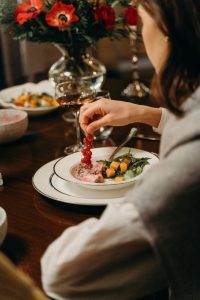
When dining on a chef’s tasting menu, understanding the etiquette can significantly enhance your experience. A tasting menu is a unique culinary journey, with each course carefully crafted to surprise and delight your palate.
Timing and Pacing Yourself
One of the key aspects of tasting menu etiquette is understanding the timing and pacing of the meal. Chefs spend considerable time crafting the sequence of dishes, so it’s essential to trust their timing.
Take your time between courses; don’t feel rushed to finish one dish before the next arrives. Savor each bite, and enjoy the break between courses to anticipate what’s coming next.
Photography and Social Media Considerations
In today’s digital age, it’s common to want to capture your dining experience on camera. However, be mindful of the restaurant’s photography policy.
Some establishments may have strict rules against flash photography or may request that you refrain from taking pictures during the meal. Always check with your server before snapping photos.
- Be discreet when taking photos; avoid using flash.
- Consider the other diners around you; be respectful of their experience.
- Tag the restaurant in your posts to show appreciation for their work.
Interacting with the Chef and Staff
Interacting with the chef and staff can greatly enhance your dining experience. If the opportunity arises, don’t hesitate to compliment the chef on a particular dish or ask questions about the meal.
Be respectful and courteous; remember that the staff are there to ensure you have a wonderful experience.
Tipping Practices for Tasting Menu Experiences
Tipping for a tasting menu can sometimes be confusing, as the experience is often more extensive than a regular meal.
A good rule of thumb is to tip based on the total cost of the meal before tax, typically in the range of 15% to 20%. Some restaurants may automatically add a service charge for large groups, so it’s a good idea to check your bill.
| Tipping Guidelines | Percentage |
| Excellent Service | 20% |
| Good Service | 15% |
| Poor Service | Consider discussing with management rather than leaving a low tip |
Top Destinations for Chef’s Tasting Menus in the United States
From coast to coast, the U.S. boasts an array of fine dining establishments where a chef’s tasting menu is a culinary journey. The country’s diverse culinary landscape is reflected in its top-tier restaurants, each offering a unique interpretation of the chef’s tasting menu.
East Coast Culinary Temples
The East Coast is home to some of the most revered culinary institutions in the country. These restaurants are known for their commitment to excellence and innovation.
New York City’s Standout Experiences
New York City is a hub for fine dining, with restaurants like Eleven Madison Park and Le Bernardin offering exceptional chef’s tasting menus. These establishments are renowned for their impeccable service and creative cuisine.
New England’s Farm-to-Table Tasting Menus
New England’s culinary scene is characterized by its emphasis on locally sourced ingredients. Restaurants in this region, such as The White Barn Inn in Maine, offer farm-to-table tasting menus that highlight the best of the season’s produce.
West Coast Innovative Experiences
The West Coast is known for its innovative culinary scene, with many restaurants pushing the boundaries of fine dining.
California’s Pioneering Tasting Menu Restaurants
California is home to some of the most innovative restaurants in the country. The French Laundry and Atelier Crenn are just a few examples of establishments offering groundbreaking chef’s tasting menus.
Pacific Northwest Seafood-Focused Experiences
The Pacific Northwest is celebrated for its seafood, and restaurants like Le Coeur de la Vie in Portland, Oregon, offer tasting menus that showcase the region’s freshest catches.
Hidden Gems in the Heartland
Beyond the coasts, the Heartland of America is home to its own set of culinary gems. These hidden gems offer unique tasting menu experiences that reflect the region’s culinary identity.
Southern Tasting Menu Destinations
The South is known for its rich culinary heritage, and its fine dining establishments are no exception. Restaurants like The Husk in Charleston, South Carolina, offer tasting menus that celebrate Southern cuisine with a modern twist.
In conclusion, the United States offers a diverse array of top destinations for chef’s tasting menus, from the culinary temples of the East Coast to the innovative experiences on the West Coast, and the hidden gems in between. Each region brings its own unique flavor and flair to the fine dining scene, making the U.S. a paradise for food enthusiasts.
Conclusion: Why a Chef’s Tasting Menu is Worth the Splurge
A chef’s tasting menu offers a unique and immersive fine dining experience that is truly worth the splurge. Throughout this article, we’ve explored the intricacies of tasting menus, from their history and evolution to the art of pairing and etiquette.
The value of a chef’s tasting menu lies in its ability to transport diners on a culinary journey, showcasing the chef’s creativity and skill. Each course is carefully crafted to surprise and delight, making for an unforgettable evening.
Whether you’re a seasoned foodie or just looking to indulge in a special occasion, a chef’s tasting menu provides an unparalleled level of culinary sophistication. The experience is not just about the food; it’s about the atmosphere, the service, and the memories created around the table.
In conclusion, the chef’s tasting menu is a fine dining experience that offers a rich and satisfying culinary adventure, making it well worth the investment for those seeking a truly exceptional dining experience.